

Moleskin Joe is one of the most memorable characters to appear in Patrick MacGill’s first two books, Children of the Dead End and The Rat-Pit.
This sequel, first published in 1923, recalls the tramps and navvies MacGill encountered during his time on the road in Scotland and the north of England in the early years of the twentieth century. It centres around the adventures of Moleskin Joe, with his philosophy of ’there’s a good time comin’, although we may never live to see it’, who in this book falls in love with a young Irish woman he meets on his travels.
Filled with superb characterisation, humour, poignancy and eloquence, Moleskin Joe is a vivid portrayal of the hardships of the immigrant experience, which MacGill not only experienced himself, but also successfully exposed to a huge audience through his writing.
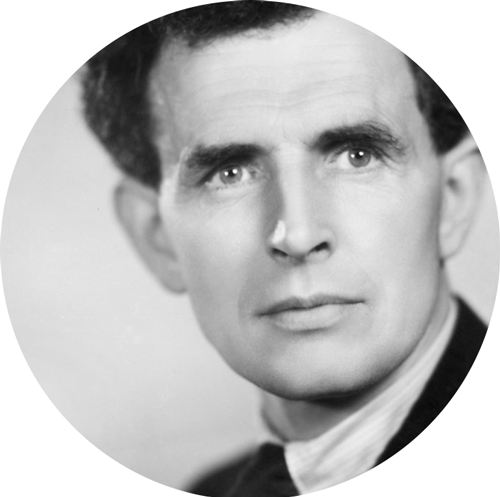
Patrick MacGill was born in Glenties, County Donegal, Ireland in 1889. He was a journalist, novelist & poet, known as ‘The Navvy Poet.
During WW1 he served with the London Irish Rifles, and was wounded at the Battle of Loos in 1915.
He moved to Florida, where he passed away on 22 November 1963.
His works include: Children of the Dead End, The Rat-Pit, The Amateur Army, The Red Horizon, The Great Push, The Brown Brethren, The Dough-Boys, The Diggers: The Australians in France, foreword by W. M. Hughes, Australian PM, Glenmornan, Maureen, Fear!, Lanty Hanlon: A Comedy of Irish Life, Moleskin Joe , The Carpenter of Orra, Sid Puddiefoot, Una Cassidy, Tulliver’s Mill, The Glen of Carr, The House at the World's End, Helen Spenser

Patrick MacGill, Rifleman No. 3008, London Irish, was one of many thousands of Irishmen who fought in the First World War, and he articulates the experience of that tragic generation, conveying the horror of war but also the resilience of the men.

Patrick MacGill
Filled with superb characterisation, humour, poignancy and eloquence, Moleskin Joe is a vivid portrayal of the hardships of Irish immigrant experience,

Patrick MacGill
The book’s appearance proved deeply divisive owing to its fierce anticlericalism and unflinching portrayal of social conditions in the early years of the century. In the intervening years it has lost none of its power to shock

Patrick MacGill
A classic of war literature, a compelling book which describes the fear, resilience, humour and fatalism of those who fought at the raw edge of one of the most terrifying wars ever to have been waged.
Patrick MacGill
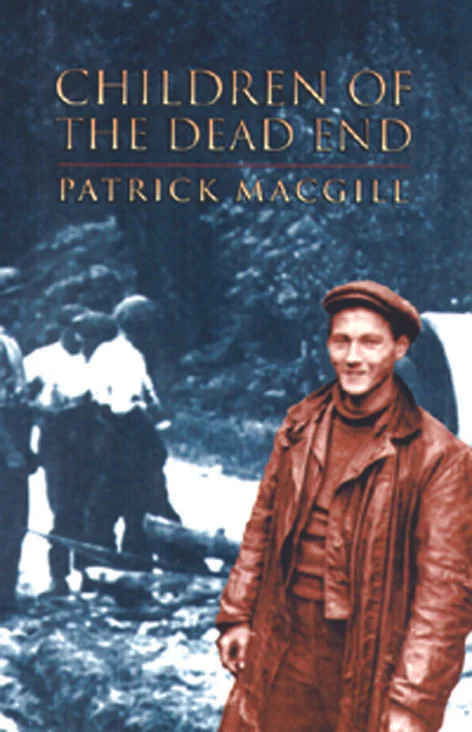
Peopled with extraordinary characters, suffused with humour and yet unflinching in its portrayal of the near slavery of the poor in Scotland and Ireland, Children of the Dead End sold 50,000 copies a year in the 1920s.


Other Categories




This is a strong, poignant account of MacGill’s hunger to return to the place of his birth, and his tragic expulsion.